

Special Needs Sedation Dentistry in East Meadow, NY
Gentle Care For Patients Who Need Extra Support
Special Needs Care with Sedation Dentistry
At Grace Dental Care, sedation can help make care more manageable. The goal is to reduce stress, support cooperation, and help patients receive treatment in a more comfortable setting.

Less Stress During Treatment
Many special needs patients struggle before treatment even starts. The office setting, bright lights, sounds, and physical sensations can feel overwhelming. Sedation helps reduce that stress, so the visit feels more manageable from check-in through treatment.

Care That Respects Your Needs
Special needs patients often need more time, clearer communication, and a slower pace. This approach helps the patient feel supported instead of rushed. It also helps caregivers feel confident that their loved one is being treated with patience and respect.

Easier Access to Needed Care
When dental visits are too hard to manage, treatment gets delayed. Sedation can help patients complete needed care in a more predictable way. That can reduce repeated stressful visits and make it easier to protect the patient’s oral health.
Understanding Special Needs Dentistry
Special needs dentistry is dental care tailored to patients who need added support during treatment.
This may include patients with:
- Autism
- Cognitive disabilities
- Developmental disabilities
- Sensory sensitivities
- Behavioral challenges
- Medical conditions that affect comfort or cooperation
This care is built around the patient’s needs. That may include caregiver input, a slower pace, and treatment planning that focuses on comfort.
How Sedation Can Help Special Needs Patients
Sedation can be a helpful option for patients who struggle with fear, sensory overload, movement, or sitting through treatment.
It may help patients who:
- Become overwhelmed in the dental setting
- Have trouble staying still during care
- Experience strong dental anxiety
- Have a sensitive gag reflex
- Need longer or more involved treatment
- Have had difficult dental visits in the past
Sedation is not about forcing treatment. It is about making care feel calmer, safer, and more manageable for the patient.
Providing Families a More Supportive Dental Experience
Families want more than a dental office. They want a team that knows how to care for their loved one with patience, respect, and skill. At Grace Dental Care, the focus is on making each visit feel calmer, more comfortable, and easier to manage.
When the team takes time to understand the patient’s needs and uses sedation when appropriate, treatment can feel less stressful for everyone involved. Patients get the support they need in a setting built around comfort. Caregivers get peace of mind knowing their loved one is being treated with compassion and thoughtful care.
Important Age Requirement
Special needs patients must be at least 13 years old for treatment at Grace Dental Care.
What to Expect at Your Visit
Initial Consultation
Personalized Evaluation
Treatment Planning
Preparation Before the Visit
Day of Treatment
Recovery and Follow-up
Enjoy Expert Specialty Dentistry from a Team that Truly Cares

Personalized Care
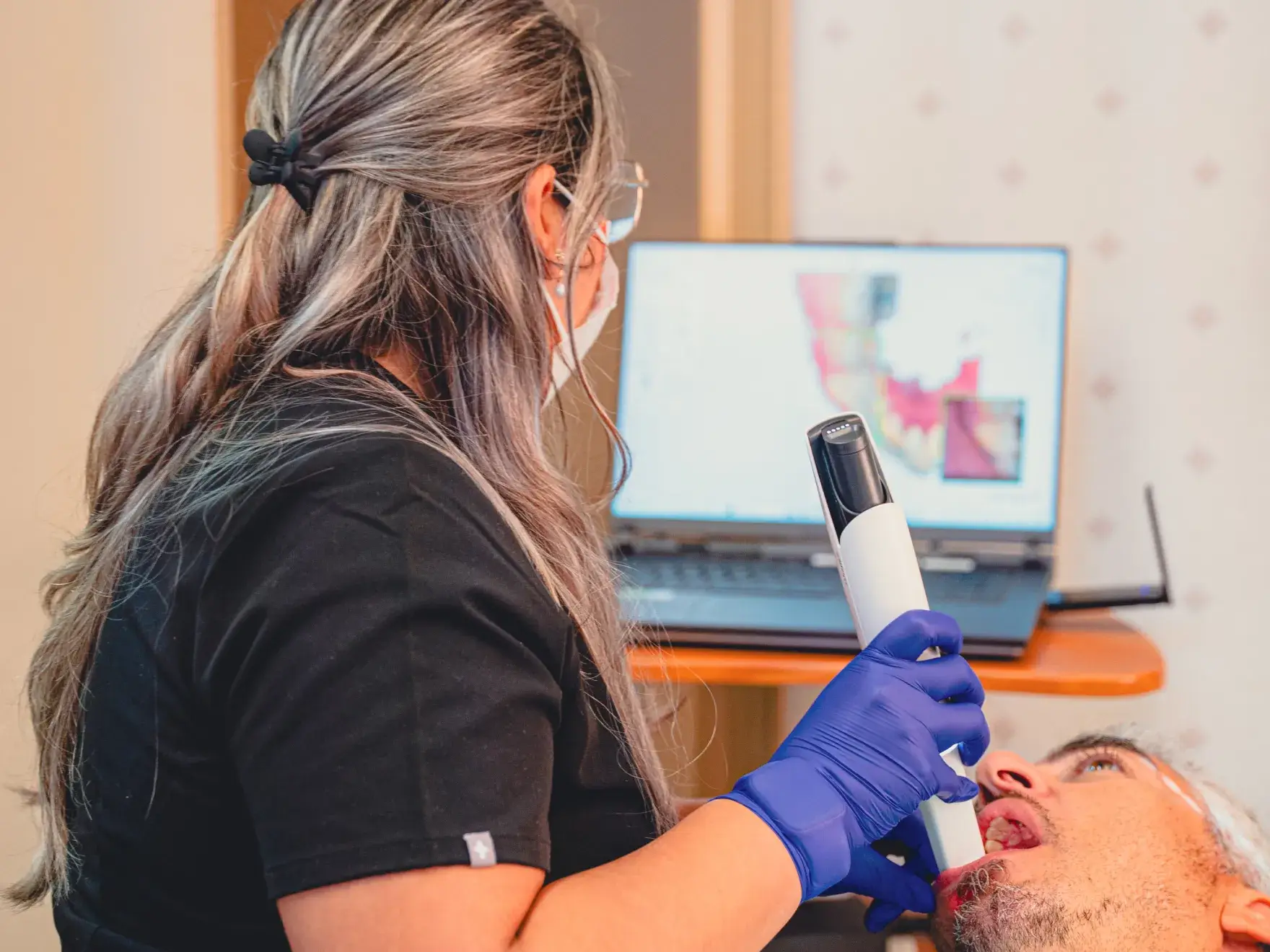
Advanced Technology

Flexible Financing
Frequently Asked Questions
What is special needs dentistry?
Special needs dentistry is dental care designed for patients who need added support because of developmental, cognitive, sensory, behavioral, or physical challenges.
Who may benefit from special needs dentistry with sedation?
Patients who feel overwhelmed in the dental setting, have difficulty sitting through treatment, experience strong anxiety, or need a more supportive approach may benefit.
Does sedation help patients with autism or sensory sensitivities?
It can. Sedation may help reduce stress and make dental care feel more manageable for patients who are sensitive to sounds, lights, touch, or unfamiliar environments.
What kinds of conditions are often treated in special needs dentistry?
This may include autism, cognitive disabilities, developmental disabilities, sensory processing challenges, and other conditions that affect comfort or cooperation during dental visits.
Why would a patient need sedation for dental treatment?
Sedation may help when a patient feels intense anxiety, has trouble staying still, becomes overwhelmed during treatment, or needs care that would otherwise be difficult to complete.
How should caregivers prepare for the first visit?
It helps to share medical history, medications, triggers, sensitivities, communication preferences, and any past dental experiences that may affect the visit.
Can caregivers be involved in treatment planning?
Yes. Caregiver input is important. It helps the dental team better understand what supports the patient and what may make the visit easier.
What makes a good dental experience for a special needs patient?
Patience, clear communication, respect, and personalized care all matter. A calm setting and the right support can make treatment more successful.
Is there an age requirement for special needs patients?
Yes. Special needs patients must be at least 13 years old for treatment at Grace Dental Care.
Insurance Made Easy

Dr. Avinash Cherian


Dr. Lawrence Lambroia
Personalized Service
Specialized Care
Dr. Name Last Name
SOME PARAGRAPHS INTRODUCING THE DOCTOR The rich text element allows you to create and format headings, paragraphs, blockquotes, images, and video all in one place instead of having to add and format them individually. Just double-click and easily create content.
A rich text element can be used with static or dynamic content. For static content, just drop it into any page and begin editing. For dynamic content, add a rich text field to any collection and then connect a rich text element to that field in the settings panel. Voila!


Continue the doctor's bio here
The rich text element allows you to create and format headings, paragraphs, blockquotes, images, and video all in one place instead of having to add and format them individually. Just double-click and easily create content.
Static and dynamic content editing
A rich text element can be used with static or dynamic content. For static content, just drop it into any page and begin editing. For dynamic content, add a rich text field to any collection and then connect a rich text element to that field in the settings panel. Voila!
How to customize formatting for each rich text
Headings, paragraphs, blockquotes, figures, images, and figure captions can all be styled after a class is added to the rich text element using the "When inside of" nested selector system.